
How to Choose the Right Dashboard Camera for Everyday Driving
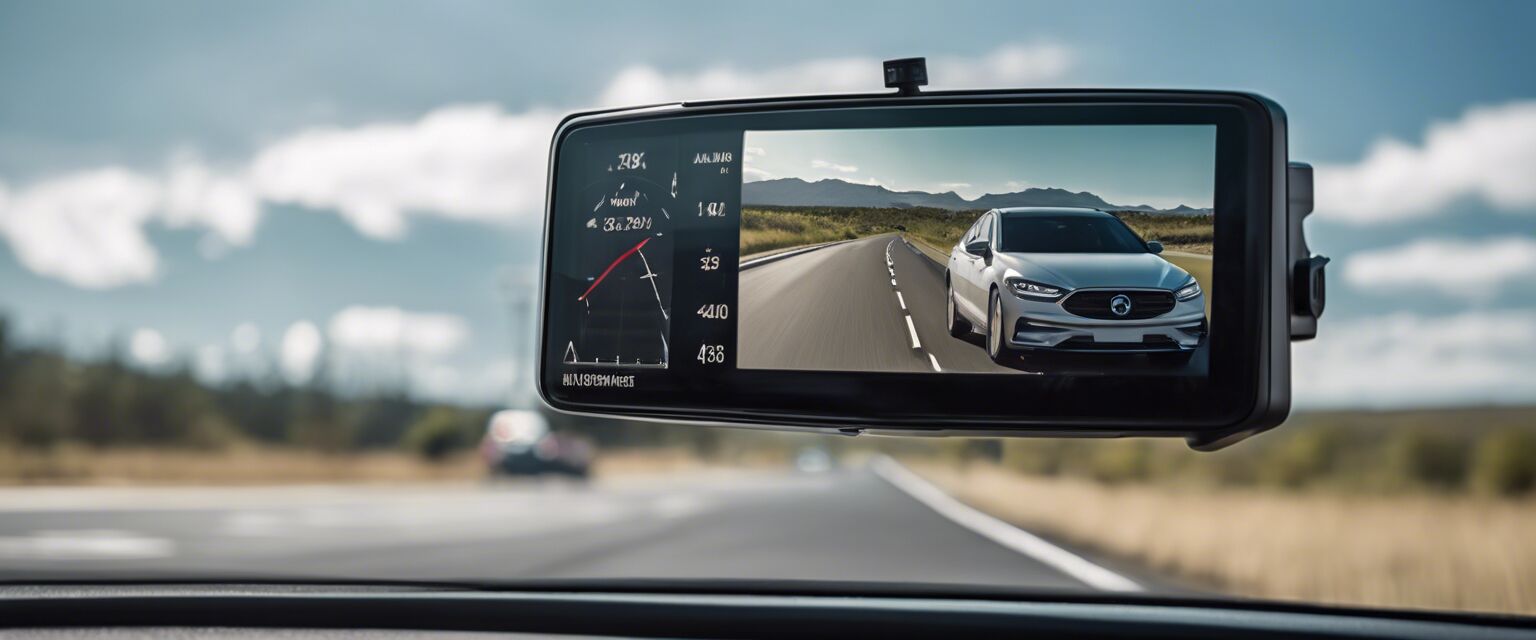
Choosing the right dashboard camera can feel overwhelming, especially with so many models, features, and price ranges available today. While many dash cams promise advanced technology and long feature lists, not every driver needs the same setup. The best dashboard camera for everyday driving is usually the one that fits your habits, vehicle type, and driving environment rather than the most expensive option.
This guide explains how to choose a dashboard camera based on real-world use, helping you understand what matters most for daily driving without getting lost in technical specifications.
What Does “Everyday Driving” Really Mean?
Everyday driving typically includes commuting, local errands, school runs, city traffic, and occasional longer trips. In these conditions, reliability and ease of use are far more important than niche features designed for specialist users.
For everyday drivers, a dashboard camera should:
-
record consistently without manual intervention
-
provide clear footage in typical lighting conditions
-
operate reliably during short and repeated journeys
-
require minimal maintenance once installed
Understanding this helps narrow down the type of dashboard camera that makes the most sense.
Key Features That Matter for Daily Use
Not all features advertised by manufacturers are equally important for everyday driving. Some features genuinely improve usability, while others are rarely used once the novelty wears off.
Video quality is essential, as clear footage makes it easier to identify vehicles, road signs, and key details. Stability is equally important — a dash cam that freezes, skips recordings, or requires frequent resets can quickly become frustrating.
Other practical considerations include how the camera manages storage, how easily footage can be reviewed, and whether it operates automatically when the vehicle starts.
Single vs Dual Dashboard Cameras for Daily Driving
One of the most common decisions drivers face is choosing between a single front-facing camera and a dual camera system. Single camera setups are simpler and may be sufficient for drivers who want basic forward coverage.
Dual dashboard cameras, on the other hand, record both the front and rear of the vehicle. This can be particularly useful in urban environments, heavy traffic, or situations involving rear-end collisions or parking incidents. For many everyday drivers, dual systems offer added reassurance without significantly increasing complexity.
Do You Really Need Advanced Features?
Advanced features such as GPS logging, wireless connectivity, or higher-resolution recording can add value for some users but are not essential for everyone. Drivers who frequently travel long distances or use their vehicle for work may benefit from additional data, while others may find that a straightforward setup meets all their needs.
The key is choosing features that align with how you actually drive rather than paying extra for options that remain unused.
Choosing a Dashboard Camera That Fits Your Routine
The best dashboard camera is the one that fits naturally into your daily routine. Consider how often you drive, where you usually park, and whether you want simple documentation or more detailed journey data.
Drivers who value simplicity may prefer a camera that focuses on core functionality, while others may want broader coverage or enhanced features for specific situations. Taking a moment to assess these needs before choosing a model can prevent unnecessary upgrades later.
Compare Dashboard Cameras Before You Decide
Rather than jumping straight to a purchase, it helps to compare dashboard cameras based on how they perform in everyday driving scenarios. Looking at overall usability, value for money, and feature balance makes it easier to narrow down your options.
If you want to see a curated comparison of reliable dashboard cameras suited for everyday use, you can explore our detailed dashboard camera comparison page, which highlights practical options across different needs and budgets.
Final Thoughts
Choosing a dashboard camera doesn’t need to be complicated. By focusing on how you drive and what you expect from the system, it becomes much easier to find a solution that works reliably every day. Whether you prioritise simplicity, value, or additional features, understanding the basics helps ensure your dashboard camera supports you on the road rather than becoming a distraction.