Dual Camera Dash Cams – Front and Rear Recording Explained
Dual camera dash cams have become an increasingly popular choice for drivers who want a clearer, more complete picture of what happens on the road. Unlike single-lens dash cams, which only record what is happening in front of the vehicle, dual camera systems are designed to capture footage from both the front and the rear at the same time. This provides stronger evidence in the event of an accident, dispute, or insurance claim and offers greater peace of mind during everyday driving.
This guide explains how dual camera dash cams work, who they are best suited for, and when choosing a front and rear recording system makes practical sense.
What Is a Dual Camera Dash Cam?
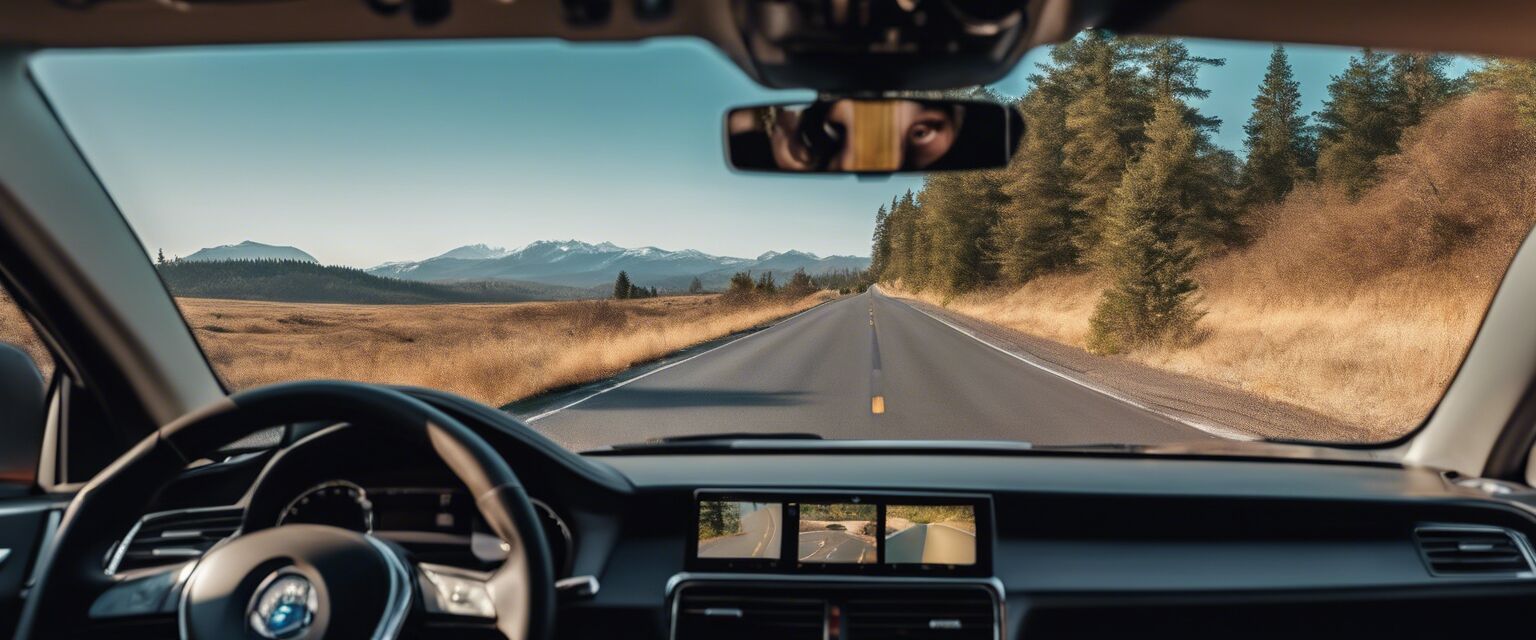
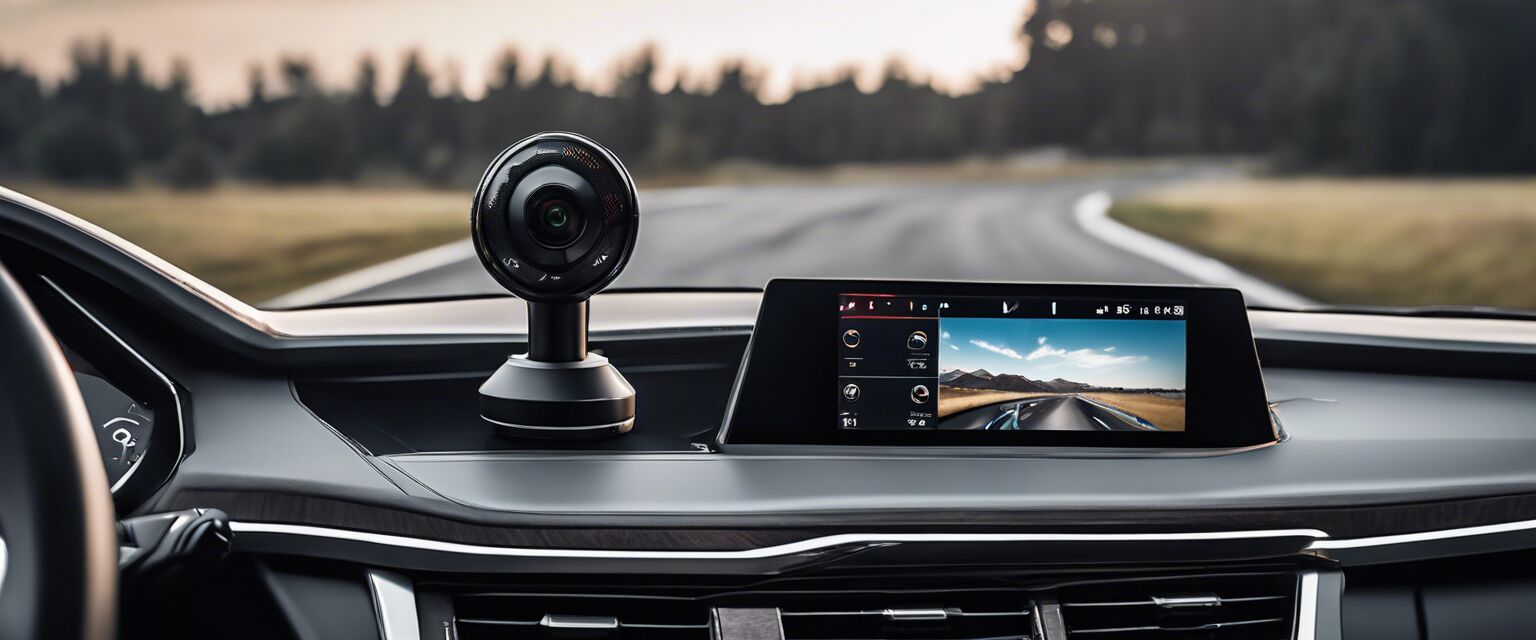
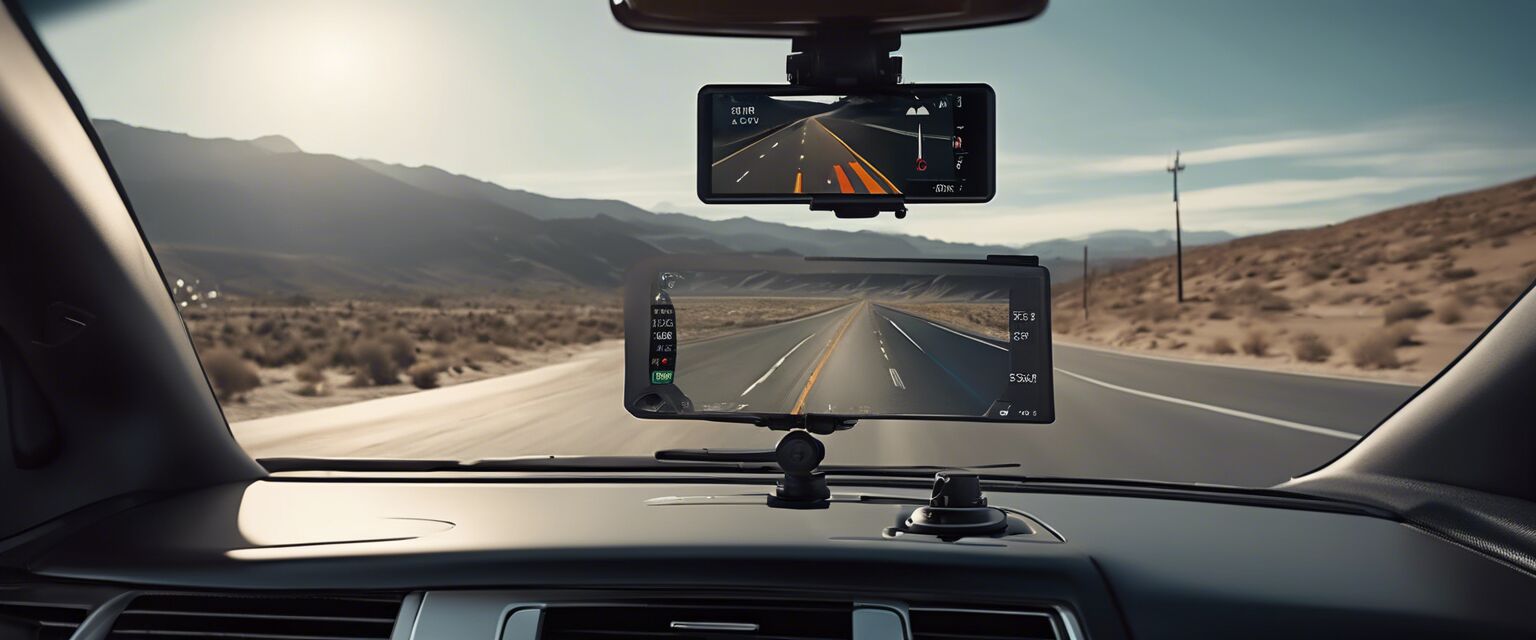
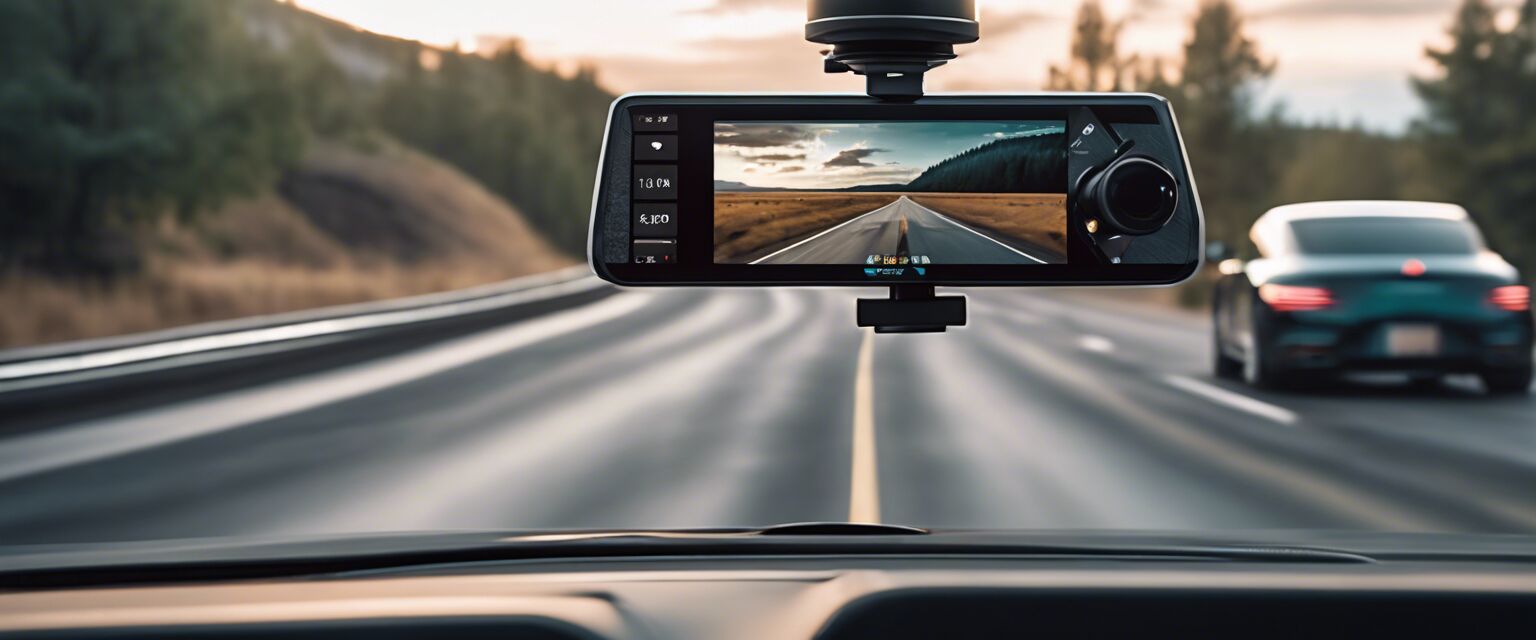
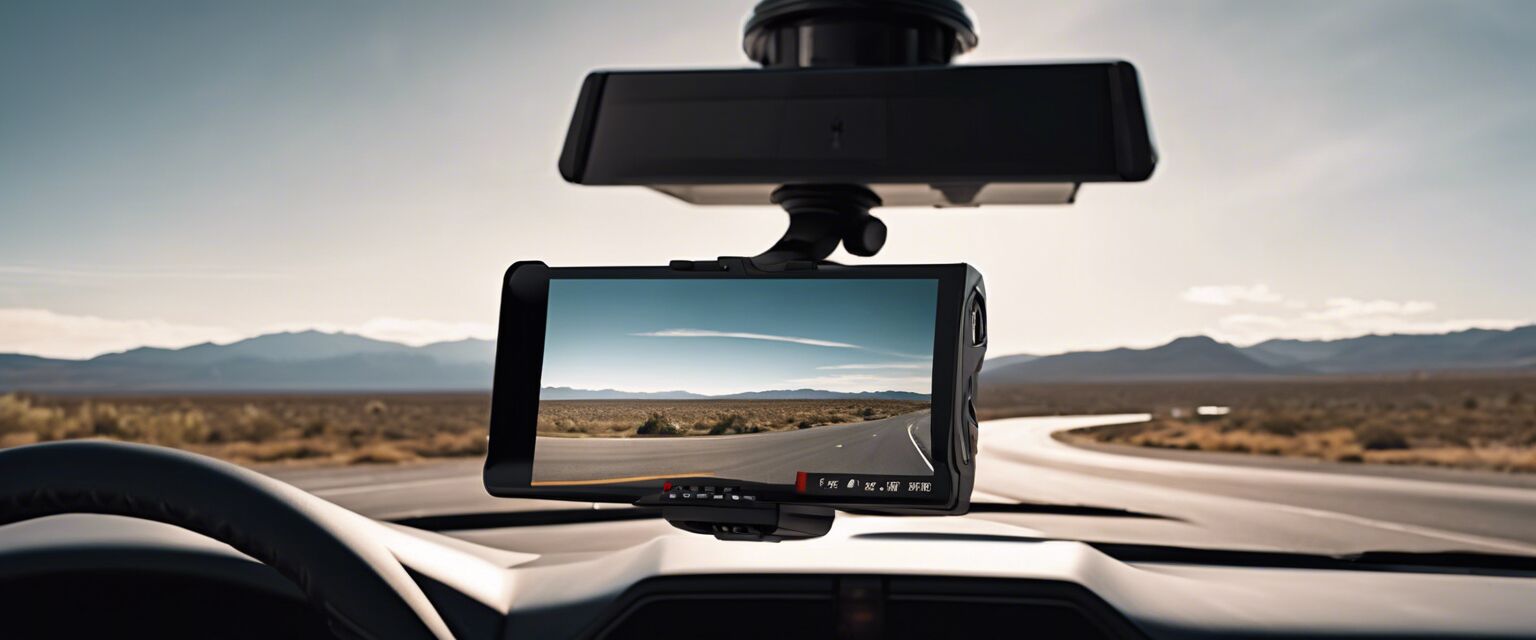
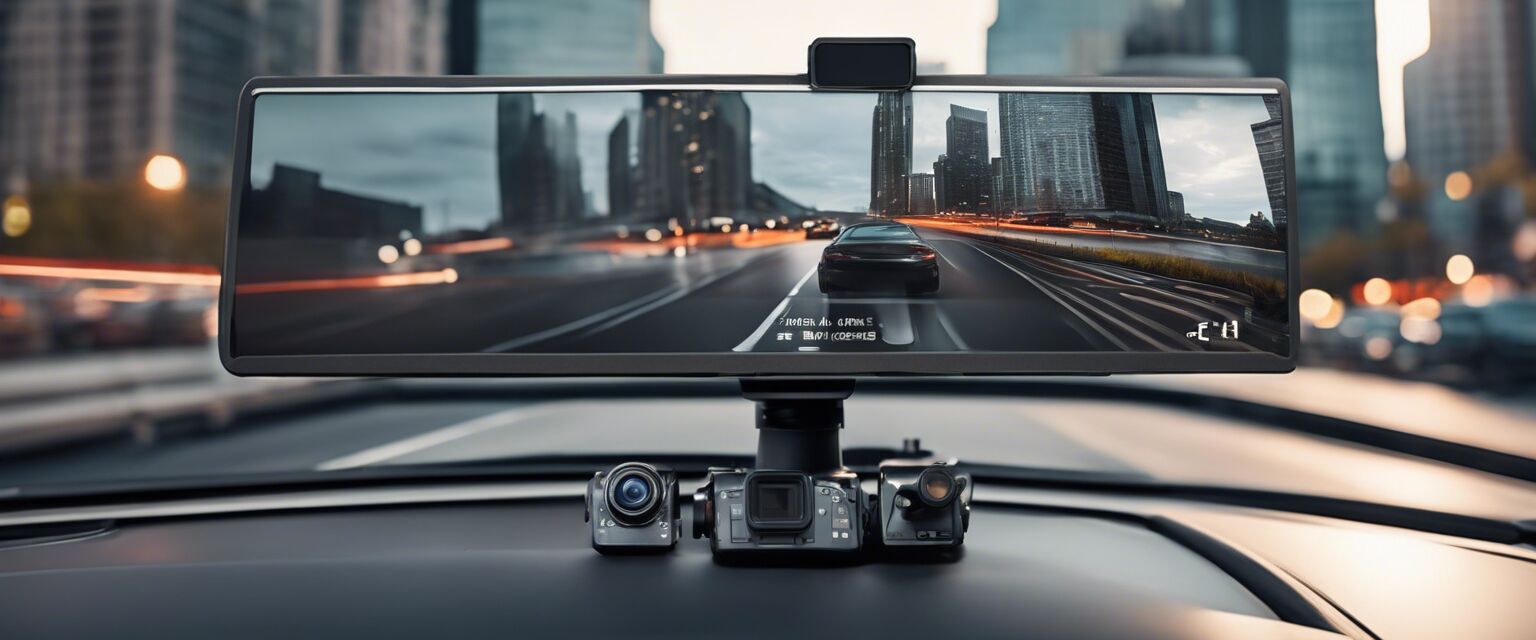
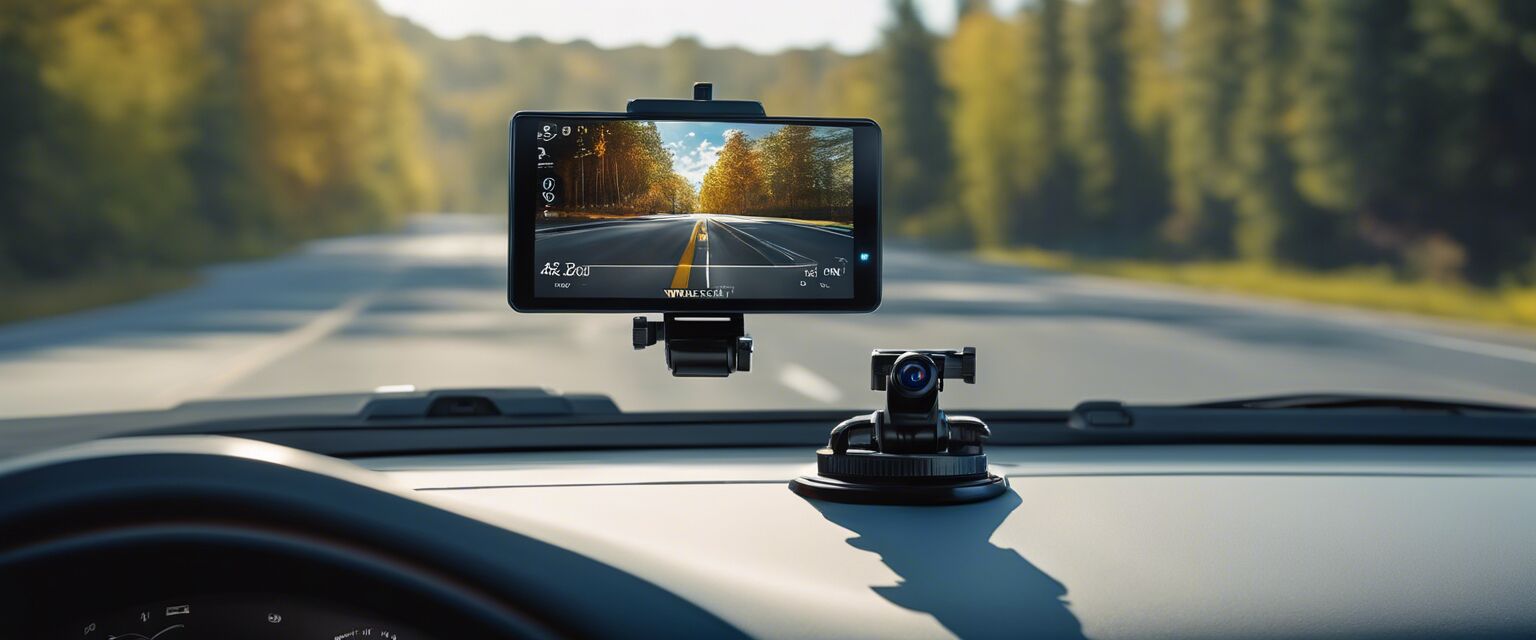
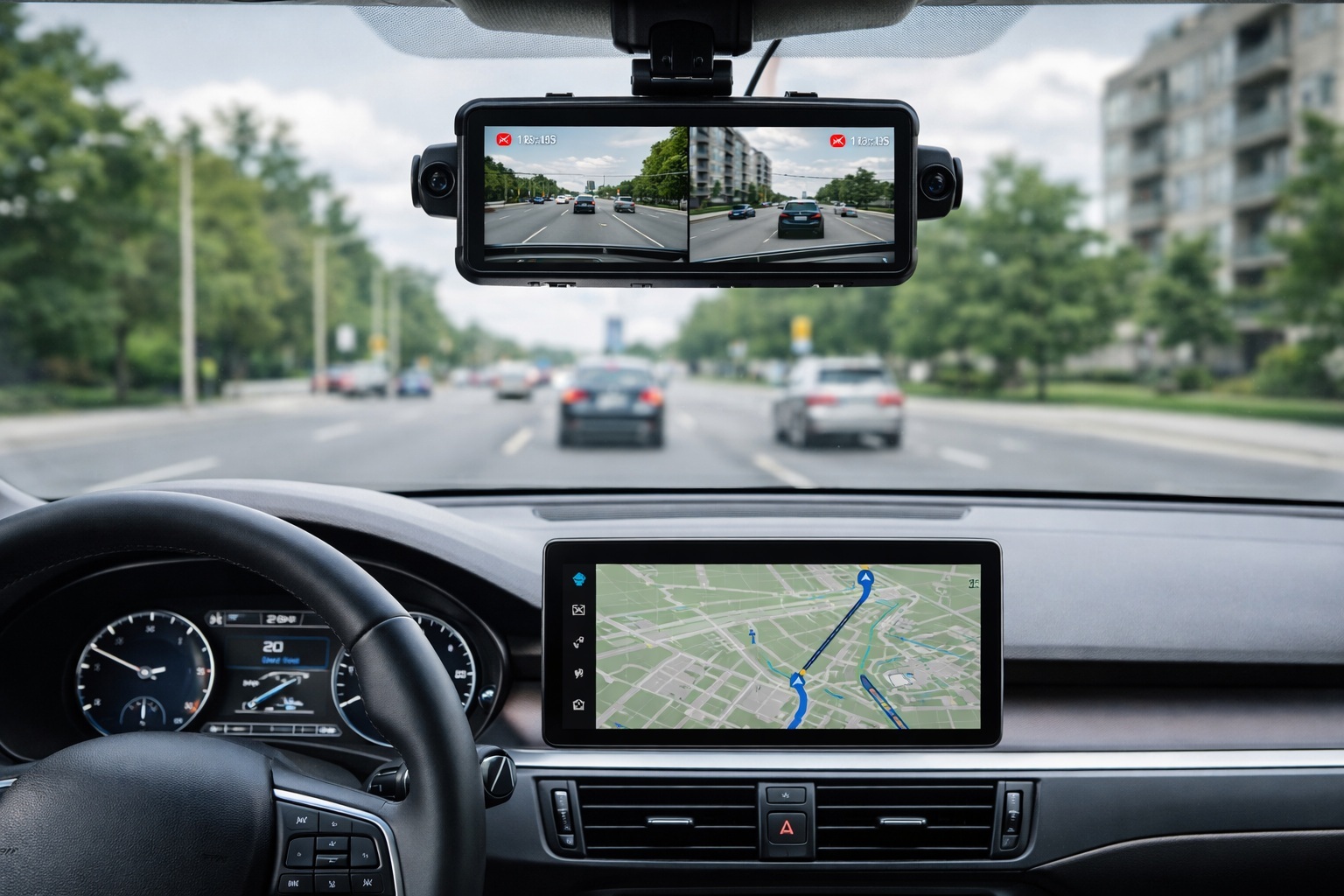
A dual camera dash cam is a vehicle recording system that uses two separate cameras to monitor both directions around your car. The front-facing camera records the road ahead, including traffic conditions, road signs, and potential hazards, while the rear camera captures activity behind the vehicle, such as tailgating, rear-end collisions, or incidents that occur while reversing or parking.
In most setups, both video streams are recorded simultaneously and stored on a single memory card. This synced footage makes it much easier to review incidents and understand the full sequence of events, rather than relying on a single angle that may miss critical details.
How Front and Rear Recording Works
Dual camera dash cams typically operate in a continuous loop while the vehicle is in motion. When the memory card reaches capacity, older footage is automatically overwritten unless a clip is locked or protected. Important recordings are usually saved automatically when the system detects sudden braking, sharp movement, or impact through a built-in G-sensor.
The front camera generally records at a higher resolution to capture number plates, road markings, and distant details, while the rear camera focuses on documenting following vehicles and close-range activity. Many systems also support parking mode, allowing the cameras to monitor your vehicle even when the engine is turned off, provided the dash cam is hardwired or connected to a suitable power source.
Who Should Consider a Dual Camera Dash Cam?
Dual camera dash cams are particularly useful for drivers who want stronger protection and clearer evidence in real-world driving scenarios. They are a good fit for:
-
Daily commuters who spend long hours on busy roads
-
Drivers concerned about rear-end collisions or tailgating
-
People who regularly park in public or high-risk areas
-
Ride-share drivers and delivery vehicles
-
Small fleets and business users who need reliable documentation
Rear-facing footage can be especially valuable in insurance disputes, where understanding what happened behind the vehicle is just as important as what occurred in front.
Key Benefits of Dual Camera Systems
One of the main advantages of dual camera dash cams is comprehensive coverage. Recording both perspectives reduces blind spots and helps eliminate uncertainty after an incident. This can be crucial when determining fault or responding to false claims.
Another benefit is improved situational awareness during parking. Rear cameras can capture hit-and-run incidents or damage that may otherwise go unnoticed. For drivers who frequently leave their vehicle unattended, this added layer of protection can be a deciding factor.
Dual camera systems also tend to provide more balanced and reliable evidence, particularly in complex situations involving multiple vehicles or unclear circumstances.
When a Dual Camera Dash Cam Makes Sense
While dual camera dash cams offer clear advantages, they are not always necessary for every driver. They are most beneficial when rear visibility and full coverage genuinely matter. If you regularly drive in congested traffic, park on public streets, or want stronger documentation for insurance purposes, a dual camera system is often worth considering.
For drivers who only use their vehicle occasionally or drive mainly on quiet roads, a single-camera setup may be sufficient. The key is matching the system to your actual driving habits rather than choosing features you may never use.
Choosing the Right Type of Dual Camera System
Not all dual camera dash cams are the same. Some prioritise simplicity and ease of use, while others focus on advanced features such as GPS tracking, Wi-Fi connectivity, or enhanced parking protection. Understanding what features are genuinely useful for your needs helps avoid overpaying for unnecessary extras.
If you want to explore practical options and compare different front and rear recording setups in more detail, you can view our full overview of available systems on the dedicated dual camera dash cams page.
👉 Looking for a detailed breakdown of available options?
Visit our complete guide to dual camera dash cams here:
Dual Camera Dash Cams – Front and Rear Recording Explained
Final Thoughts
Dual camera dash cams offer a more complete and reliable way to document everyday driving. By capturing both front and rear footage, these systems provide clearer evidence, better protection, and greater confidence on the road. Understanding how they work and when they make sense is the first step toward choosing the right setup for your needs.