Dashboard Cameras – What They Are, How They Work, and When They Make Sense
Dashboard cameras, commonly known as dash cams, have become an increasingly popular addition to modern vehicles. Originally used mainly by professional drivers, they are now widely adopted by everyday motorists who want greater protection, accountability, and peace of mind on the road. This resource explains what dashboard cameras are, how they work, and how to understand the different types available, without focusing on specific products or brands.
What Are Dashboard Cameras?
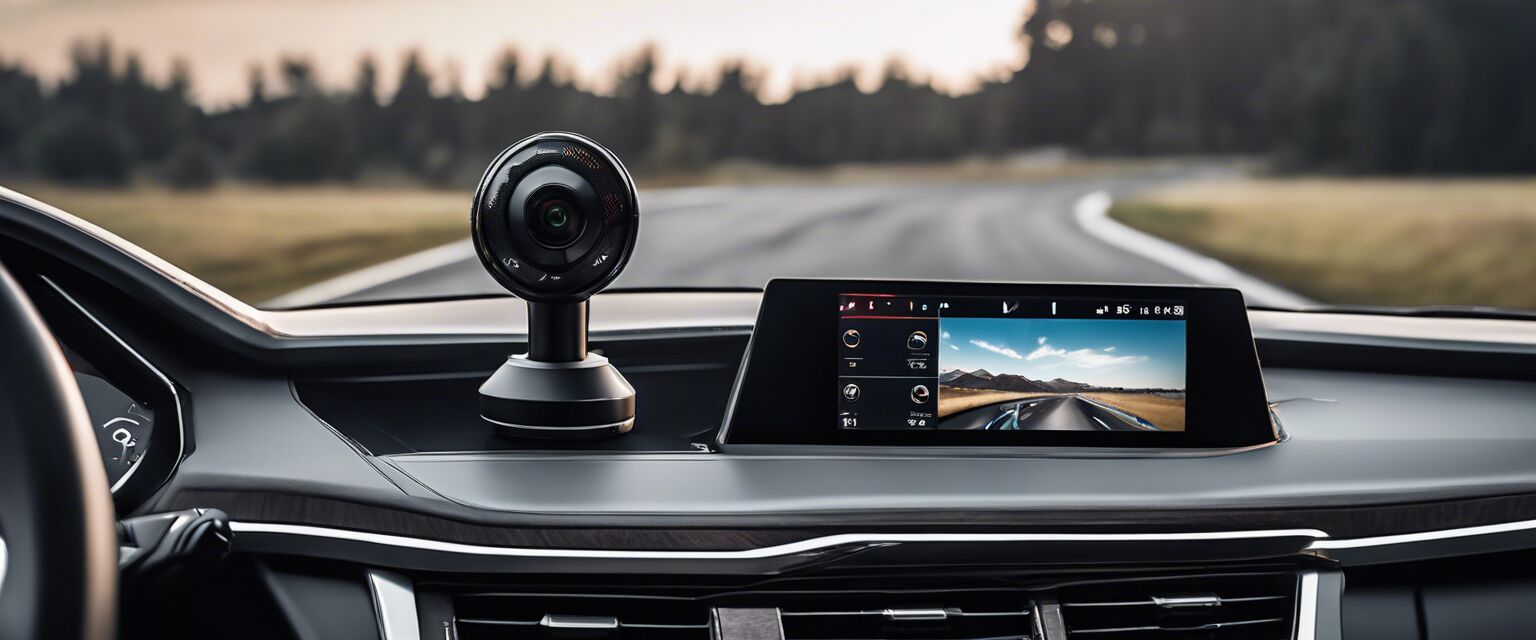
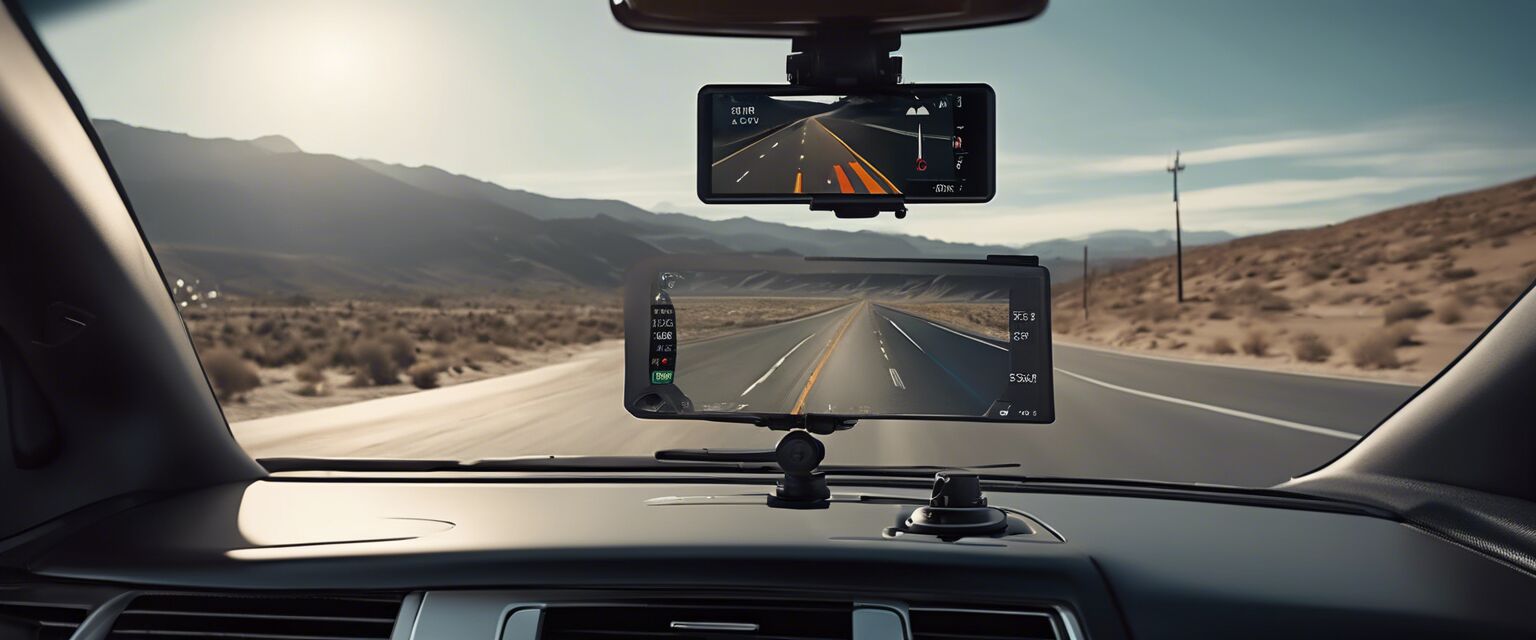
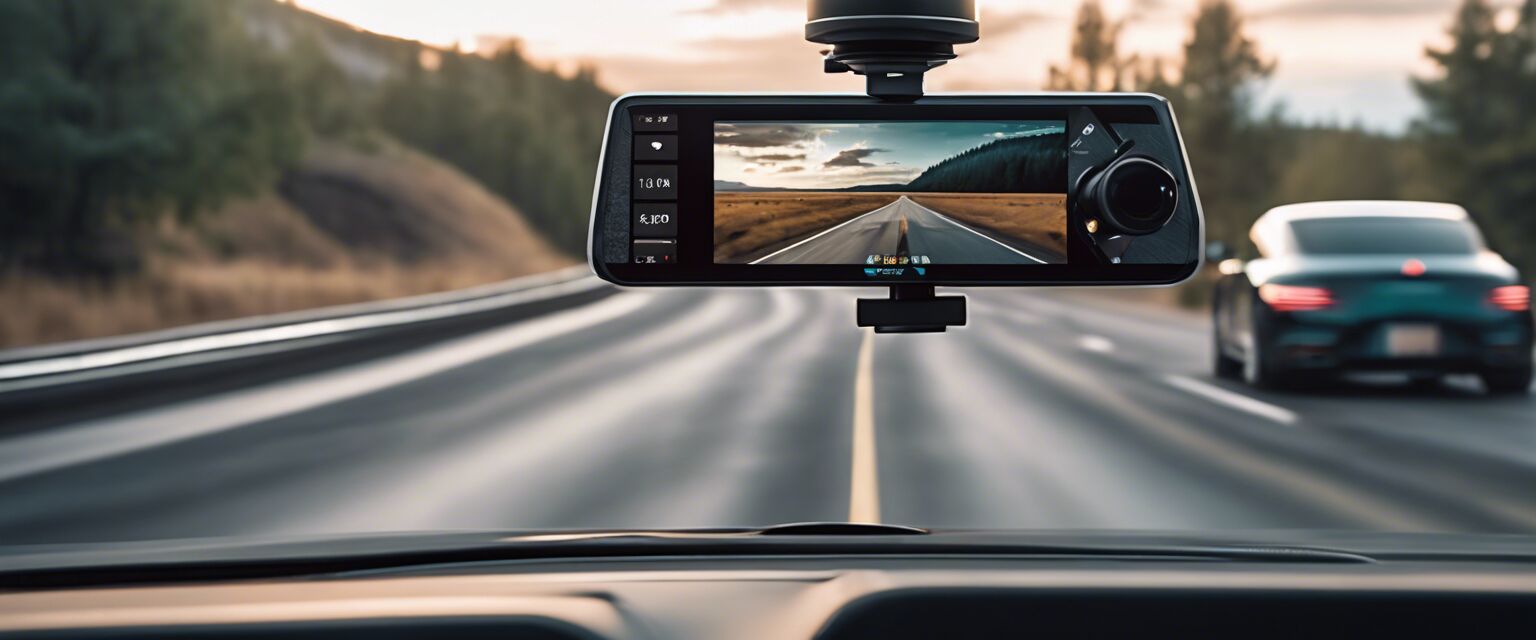
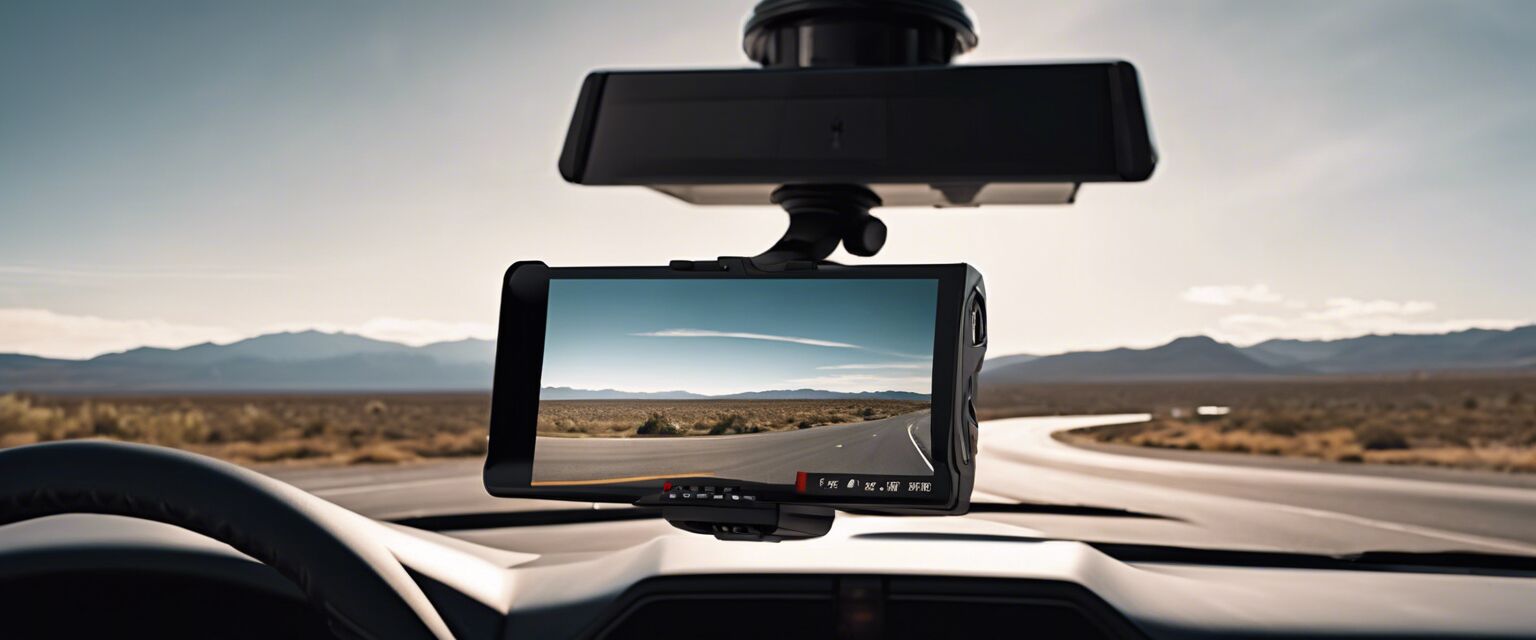
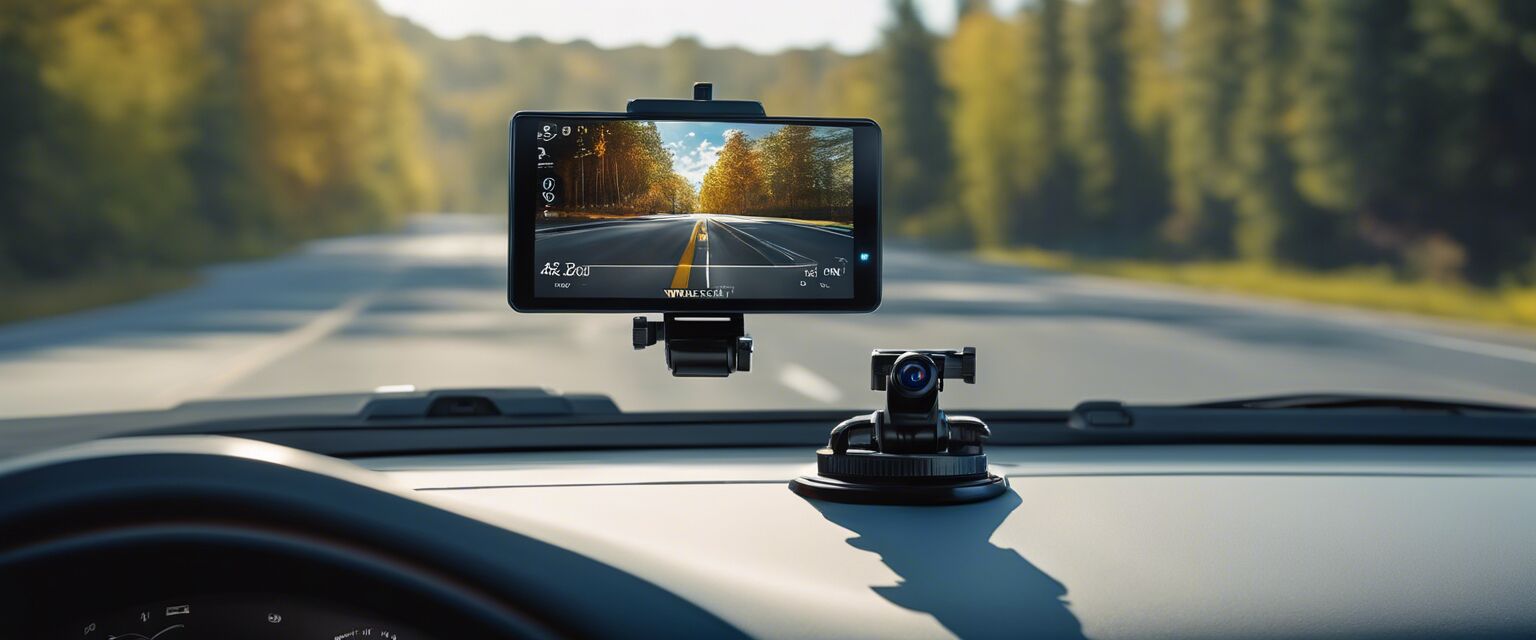
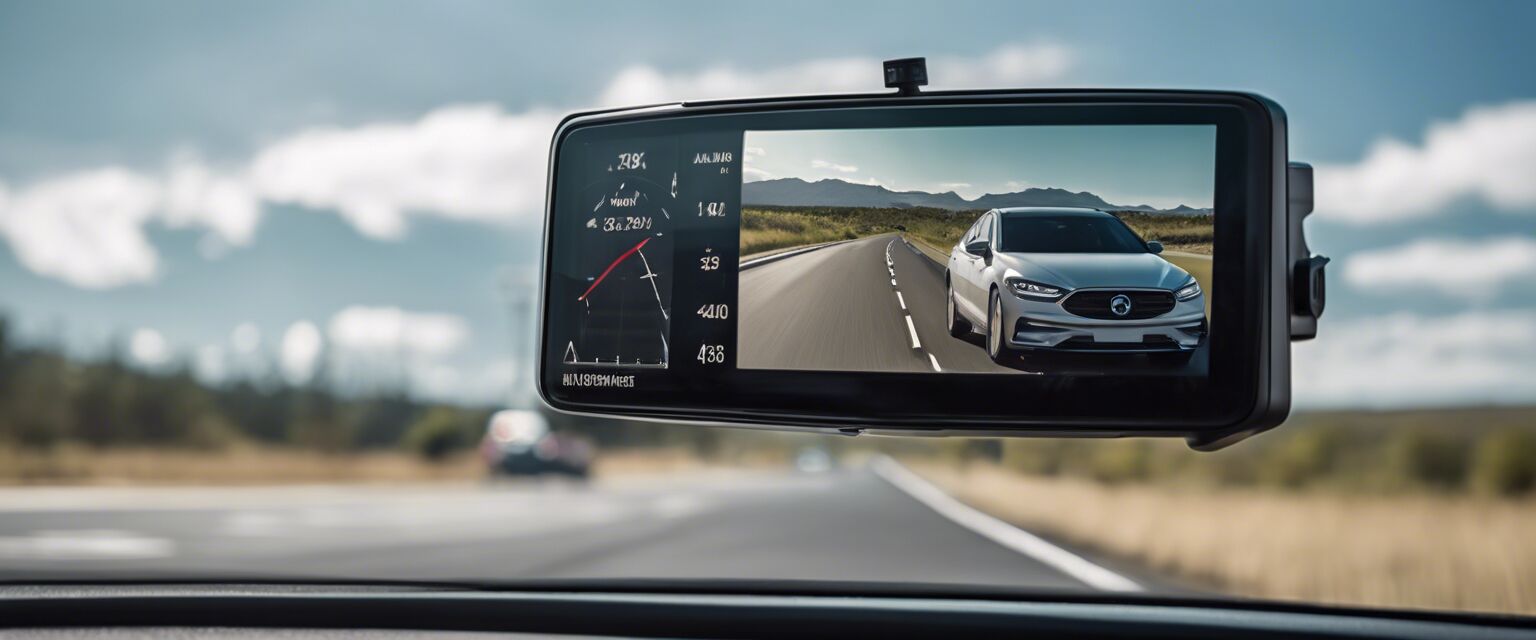
A dashboard camera is a small video recording device installed inside a vehicle, usually mounted on the windscreen or dashboard. Its primary purpose is to continuously record video footage of the road ahead while driving. Some systems also record additional views, such as the rear of the vehicle or the interior cabin, depending on the configuration.
Most dashboard cameras begin recording automatically when the vehicle is started. They capture footage in short video segments, overwriting older files in a loop to ensure continuous operation without requiring constant user input. When a sudden movement, impact, or sharp braking is detected, the camera automatically saves the relevant clip to prevent it from being overwritten.
How Dashboard Cameras Work in Everyday Driving
Dashboard cameras are designed to operate passively in the background. Once installed and configured, they require minimal interaction from the driver. Footage is typically stored on a memory card and can be reviewed directly on the device, transferred to a computer, or accessed through a mobile app if wireless connectivity is supported.
In daily use, dashboard cameras can document routine driving conditions, unexpected incidents, and traffic interactions. In the event of an accident or dispute, recorded footage can provide clear, time-stamped evidence of what occurred, helping to clarify responsibility and avoid conflicting accounts.
Who Should Use a Dashboard Camera?
Dashboard cameras are suitable for a wide range of drivers and vehicle types. They are particularly useful for:
-
Everyday drivers who want protection in case of accidents or insurance disputes
-
Urban drivers who regularly park on the street or in public car parks
-
Commuters who spend significant time in traffic
-
Business and fleet vehicles that require documentation of journeys
-
Drivers who frequently travel long distances or use motorways
While not mandatory, dashboard cameras are increasingly seen as a practical safety and documentation tool rather than an optional accessory.
Key Features That Define Modern Dashboard Cameras
Although dashboard cameras vary widely in design and capability, most modern systems share a set of core features that define how they operate.
Video resolution is one of the most important considerations. Higher resolution allows clearer identification of number plates, road signs, and details during playback. Field of view determines how much of the road and surroundings are captured in each frame. Wider angles provide more coverage but may introduce edge distortion.
Storage and recording management are also essential. Loop recording ensures continuous operation, while event detection protects important clips. Many systems support high-capacity memory cards to accommodate longer recording times.
Additional features such as GPS logging, Wi-Fi connectivity, and parking monitoring can enhance functionality but are not essential for all drivers. These features are best considered based on individual driving habits and expectations rather than as default requirements.
Different Types of Dashboard Cameras Explained
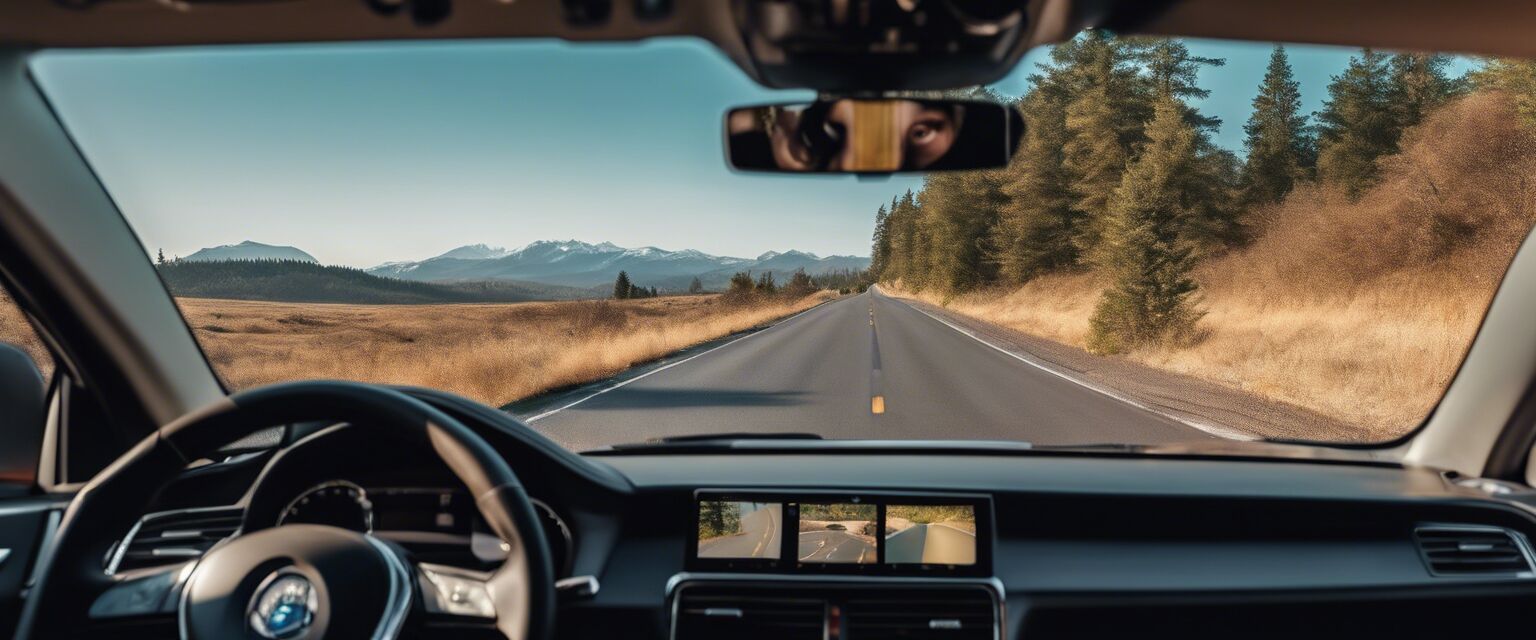
Dashboard cameras can be broadly grouped into several categories based on how they record and what they monitor.
Single-camera systems record footage from the front of the vehicle only. They are typically simple to install and suitable for drivers who want basic documentation of forward-facing incidents.
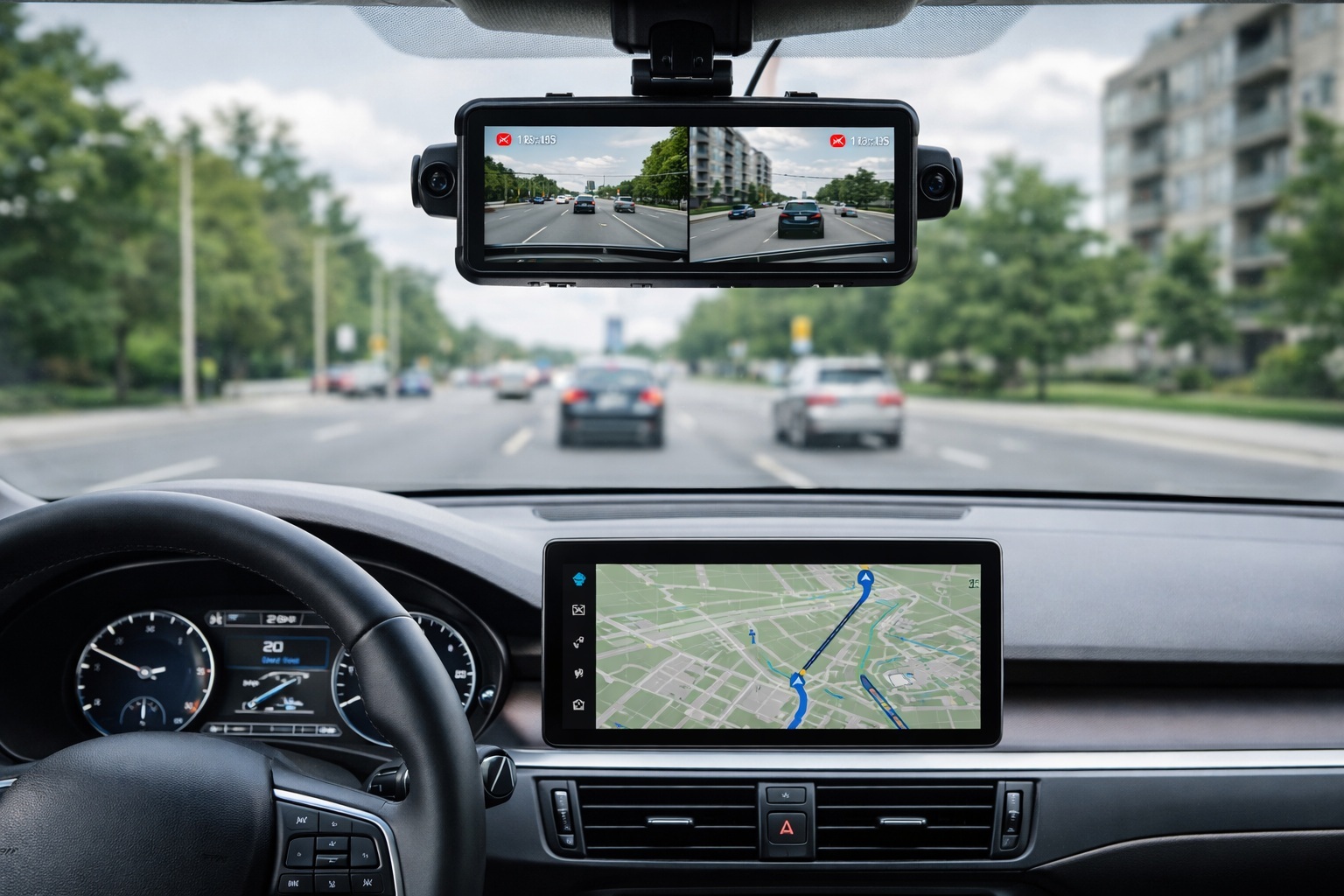
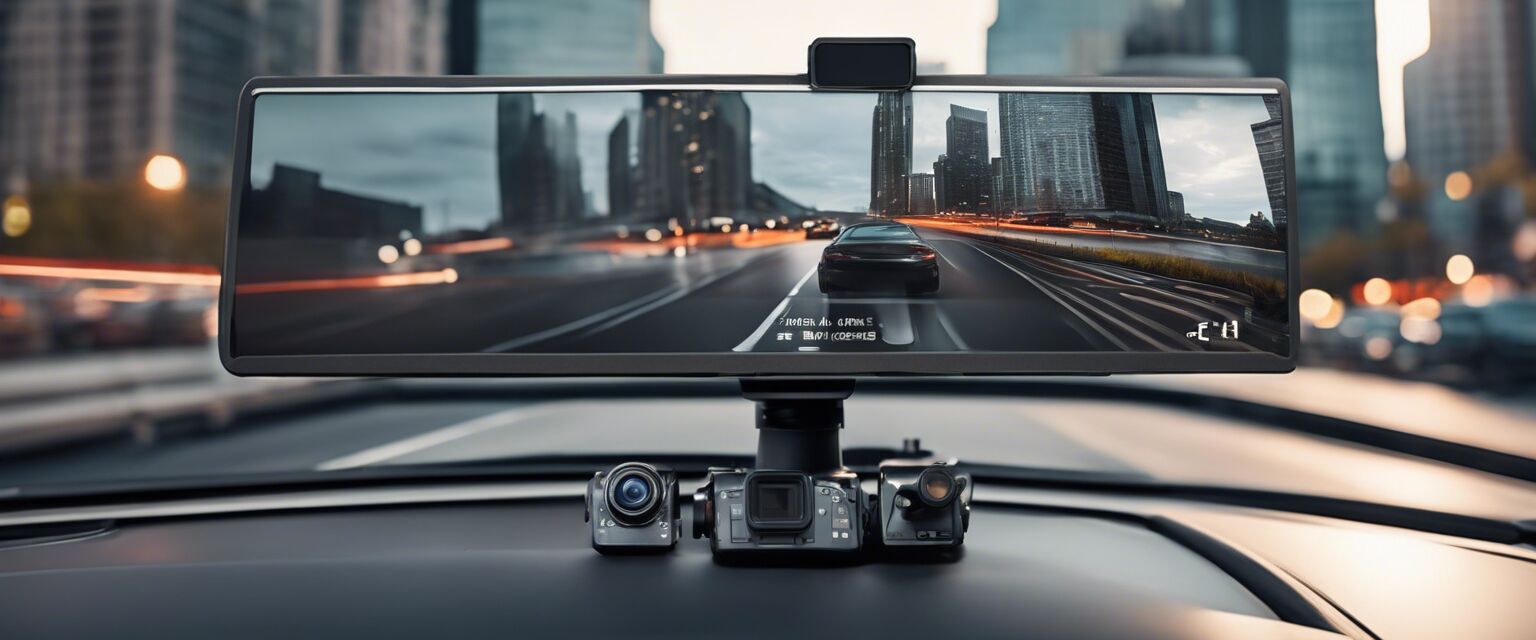
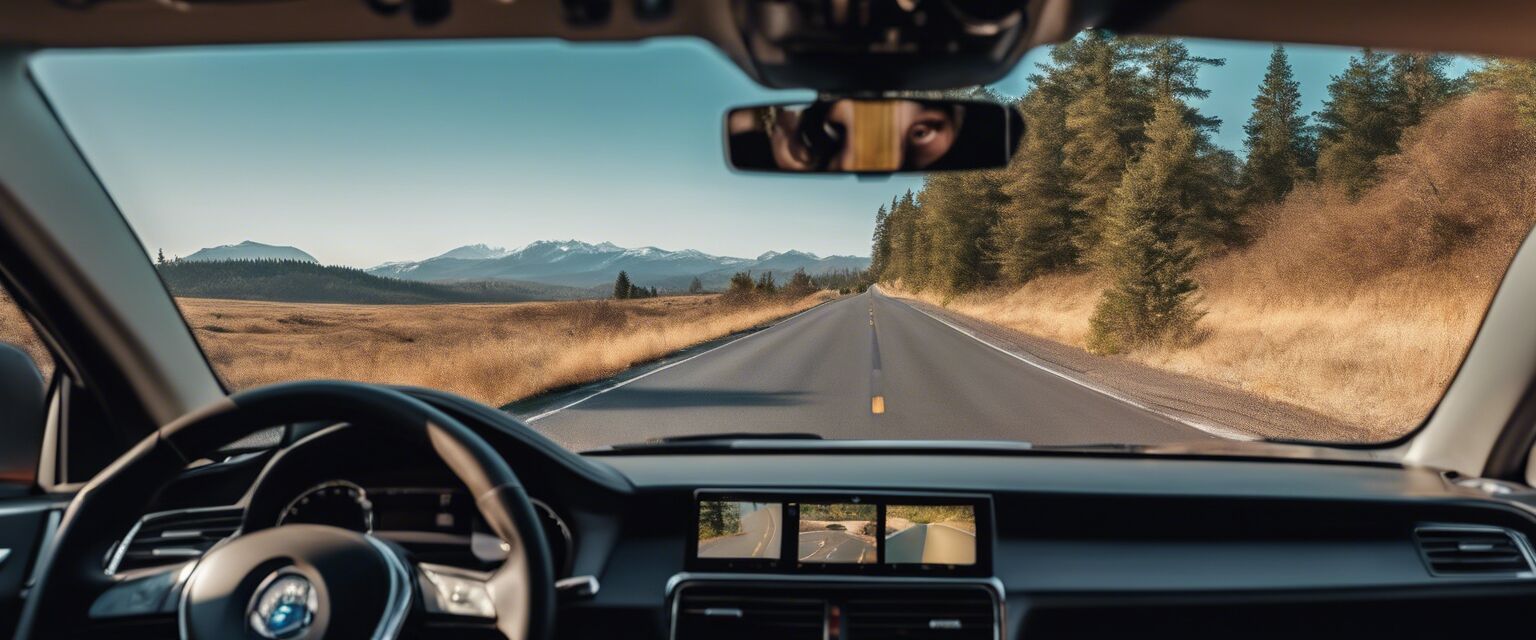
Dual camera systems record both the front and rear of the vehicle simultaneously. These setups provide more complete coverage, particularly in rear-end collisions or situations involving tailgating or reversing.
GPS-enabled dashboard cameras add location and speed data to recorded footage. This information can be useful for fleet management, long-distance driving records, or detailed journey analysis.
High-resolution dashboard cameras focus on video quality, offering sharper footage that improves visibility in challenging conditions such as low light or poor weather.
Wireless or Wi-Fi-enabled cameras allow easier access to footage through a smartphone app, reducing the need to remove memory cards for review.
Understanding these categories helps drivers choose a system that aligns with their actual needs rather than selecting features that may never be used.
When Does a Dashboard Camera Make the Most Sense?
A dashboard camera is most valuable in situations where accountability and evidence matter. This includes driving in high-traffic areas, parking in public spaces, commuting daily, or operating a vehicle for work-related purposes. Even for infrequent drivers, having a recording system can provide reassurance in unpredictable situations.
While dashboard cameras cannot prevent accidents, they can significantly reduce uncertainty and stress after an incident by providing a clear, objective record of events.
Choosing the Right Dashboard Camera Category
Selecting the right dashboard camera starts with understanding how you drive, where you park, and what level of documentation you expect. Some drivers benefit from simple, front-facing recording, while others require broader coverage or additional data such as GPS tracking.
Rather than focusing on individual models, it is more effective to first decide which category of dashboard camera suits your driving habits. Once that decision is made, comparing specific options becomes much easier and more relevant.
For a detailed comparison of selected models and recommendations, see our Dashboard Cameras.