
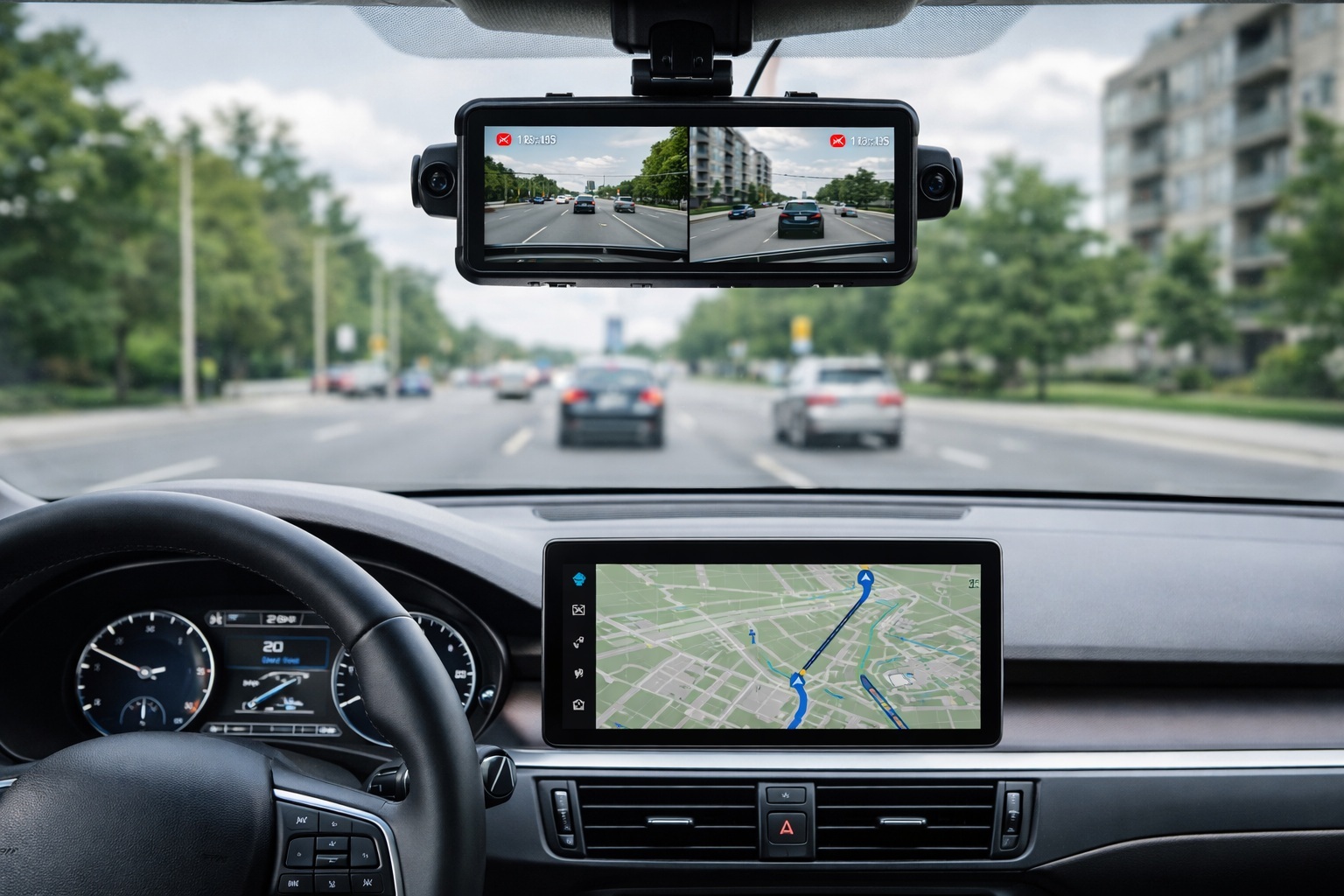
Best Dual Camera Dash Cams for Everyday Driving (2026 Guide)
Dual camera dash cams have become one of the most practical upgrades for everyday drivers who want clearer evidence, better road coverage, and extra peace of mind. By recording both the front and rear of your vehicle at the same time, these systems help capture incidents that single-camera setups often miss, such as rear-end collisions, tailgating, or parking-related damage.
In this 2026 guide, we break down how dual camera dash cams work, who they are best suited for, and which features actually matter for daily driving. Whether you commute long distances, drive in busy urban areas, or simply want reliable front and rear recording, this guide will help you choose a setup that fits your needs without overpaying for unnecessary features.
How Dual Camera Dash Cams Improve Everyday Driving Safety
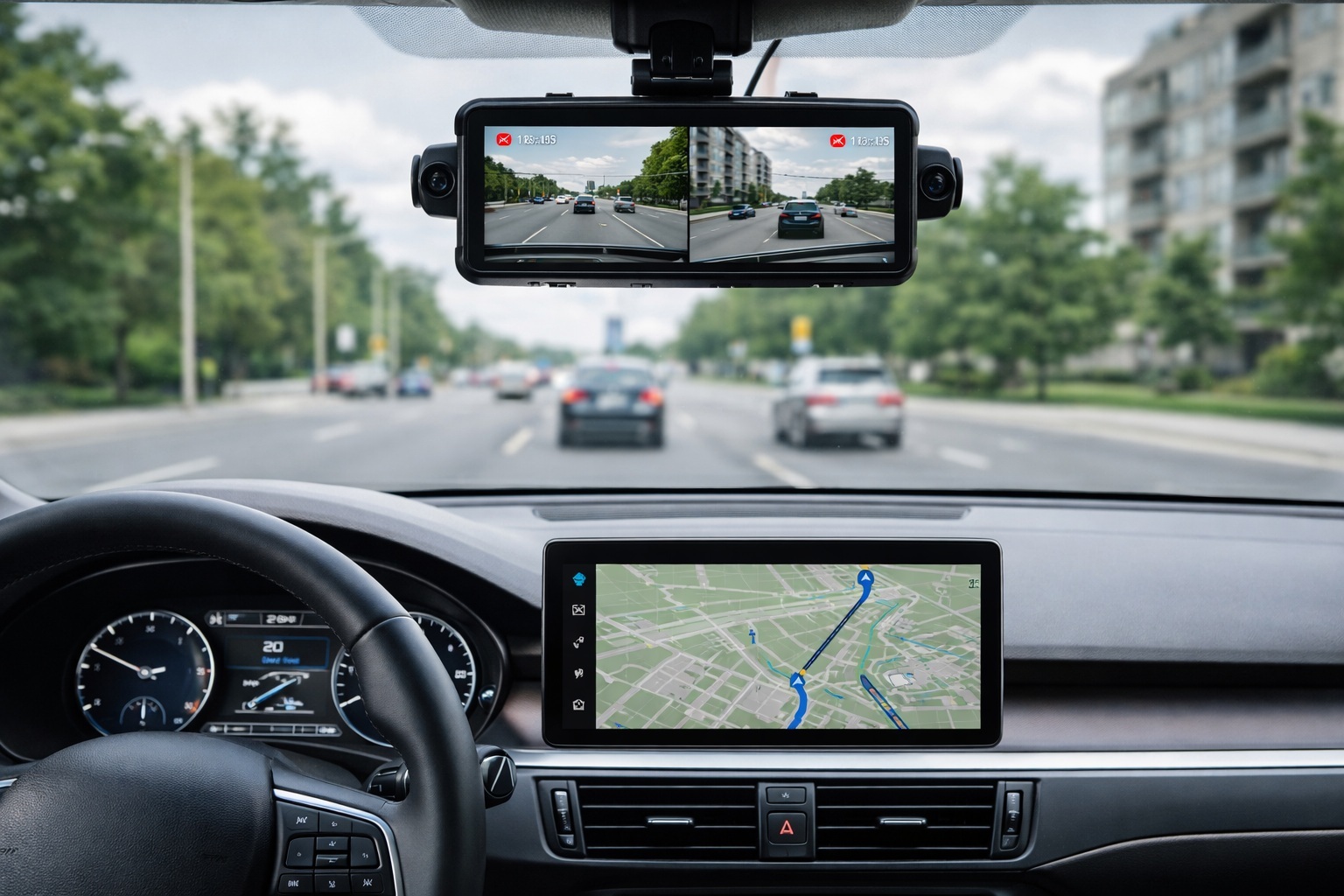
Dual camera dash cams significantly improve everyday driving safety by recording what happens both in front of and behind your vehicle at the same time. In real-world driving, many incidents do not occur solely in front of the car. Rear-end collisions, aggressive tailgating, sudden braking by vehicles behind you, or impact while reversing are common situations where a single front-facing camera simply isn’t enough.
By capturing rear footage, dual camera systems provide a complete timeline of events, which is particularly valuable when dealing with insurance claims or liability disputes. Clear rear recordings can help confirm fault, support your version of events, and prevent false claims where responsibility is unclear.
These systems are also highly effective when it comes to parking protection. Many dual camera dash cams support parking mode, allowing the cameras to monitor your vehicle while it is parked. This helps capture hit-and-run incidents, minor bumps, or vandalism that would otherwise go unnoticed, adding an extra layer of security for daily drivers who park on streets or in public car parks.
If you want a more detailed breakdown of how front and rear recording systems work in real-world conditions, our dual camera dash cams guide explains the technology in depth and helps you compare different setup options.
What to Look for in a Dual Camera Dash Cam for Daily Use
When choosing a dual camera dash cam for everyday driving, it’s important to focus on features that genuinely improve usability and reliability rather than marketing extras that add little real value. Daily driving presents different challenges than occasional trips, so the right setup should work consistently without requiring constant adjustments or maintenance.
One of the most important factors is video resolution. A good dual camera dash cam should provide clear footage from both the front and rear, especially during fast-moving traffic situations or at junctions. While ultra-high resolutions can be appealing, stability, clarity, and reliable recording are often more important than raw numbers on paper.
Field of view is another key consideration. Wider angles help capture surrounding lanes and vehicles, reducing blind spots and ensuring important details are not missed. However, extremely wide lenses should still maintain image clarity without distortion, particularly at the edges of the frame.
For everyday use, parking mode support is also essential. This feature allows the dash cam to monitor your vehicle while parked, recording incidents such as bumps or hit-and-run damage. Equally important is reliable motion or impact detection, so the camera activates only when necessary and does not drain the car battery unnecessarily.
Finally, ease of use should not be overlooked. A dual camera system that is simple to install, easy to operate, and straightforward to review footage on will provide far more long-term value than a complex setup that becomes frustrating over time.
Best Dual Camera Dash Cams for Everyday Driving (Our Picks)
Choosing the best dual camera dash cam for everyday driving depends on reliability, balanced front and rear recording, and features that genuinely improve day-to-day use. Below, we’ve selected three dual camera systems that stand out for different driving needs, based on usability, recording quality, and overall value rather than marketing claims.
Best Overall Dual Camera Dash Cam
This model offers an excellent balance of front and rear video quality, stable performance, and practical features designed for everyday driving. IIWEY Q7 4K+4K Dash Cam is particularly well suited to drivers who want dependable dual recording without unnecessary complexity or constant manual adjustments.
It performs consistently in a wide range of driving conditions, making it a strong all-round choice for commuting, longer journeys, and regular urban use.
Best Value Dual Camera Dash Cam
This option is ideal for drivers looking for reliable front and rear coverage at a more accessible price point. TERUNSOUL D016 Dash Cam delivers solid recording performance for everyday driving and parking situations without focusing on premium extras that many users never need.
It’s a good fit for first-time dash cam users or anyone who wants effective dual camera protection without overpaying.
Dual Camera Alternative with GPS Features
For drivers who value GPS data such as speed and location logging, this dual camera alternative offers additional functionality alongside dependable front and rear recording. AZDOME GS63H Pro 4K Dash Cam is particularly useful for long-distance driving, business use, or situations where detailed trip data may be important.
This model works well as an upgrade for users who want more insight into their journeys without sacrificing everyday usability.
Frequently Asked Questions About Dual Camera Dash Cams
Are dual camera dash cams worth it for everyday driving?
Dual camera dash cams are worth it for everyday driving if you want more complete evidence and better protection in common road situations. Many incidents, such as rear-end collisions or disputes involving tailgating, cannot be fully explained with front-only footage. Rear recording helps clarify what happened behind your vehicle and reduces uncertainty when reviewing incidents.
For daily commuters, urban drivers, and anyone who parks in public areas, a dual camera setup offers clear advantages over single-camera models. While they may cost slightly more, the additional coverage often proves valuable when it matters most.
Do dual camera dash cams work while the car is parked?
Many dual camera dash cams support parking mode, allowing them to monitor your vehicle even when the engine is off. Depending on the model, the system may activate recording when motion or impact is detected, helping capture hit-and-run incidents or accidental bumps.
For reliable parking protection, it’s important to choose a model with stable parking mode support and proper power management. Some setups may require a hardwiring kit or external power solution to function safely without draining the car battery.
Is rear camera video quality as important as the front camera?
Yes, rear camera quality is just as important as front recording, especially in everyday driving situations. Poor rear footage can make it difficult to identify vehicles, number plates, or the sequence of events during a rear-end collision.
A well-balanced dual camera dash cam should provide clear and usable footage from both cameras rather than focusing solely on high front resolution. In many real-world cases, stable and readable rear video can be the deciding factor in resolving insurance claims.
Are dual camera dash cams difficult to install?
Most dual camera dash cams are designed for straightforward installation, but rear camera setups may require additional cable routing. This usually involves running a cable along the interior trim to reach the rear window or boot area.
Drivers who prefer a clean installation often choose professional fitting, but many users successfully install dual camera systems themselves by following the manufacturer’s instructions. Once installed correctly, these systems typically require very little ongoing maintenance.